About the Music
GUEST CHOIRS
RITZ CHAMBER PLAYERS
String Quartets, Op. 1
Joseph Bologne, Chevalier de Saint-Georges
FLORIDA STATE OF JACKSONVILLE COMBINED CHOIRS
Dream Variation
Composed by Jeremy McKinnies, Edward Waters University conductor
The Color Purple
Arranged by Rollo Dilworth
Ho Boys, Can’t Line Em
Work Song
Arranged by Anthony Tracek-King
The Gift to Sing
Words by James Weldon Johnson (1871-1938)
Music by Brian Jones
We Shall Overcome
American Civil Rights Song
Arranged by Robert T. Gibson
EDWARD WATERS UNIVERSITY CONCERT CHOIR
Pressing Onward
Norman Hutchins (1962-2025)
Arranged by Big Freedia
Walk Together Children
Traditional Spiritual
Arranged by W.H. Smith
Asem Yi Di Ka
Ephriam Amu (1899-1995)
Free at Last
Traditional Spiritual
Arranged by Jester Hairston and Harry Robert Wilson
I’ll Never Turn Back No More
R. Nathaniel Dett (1882-1943)
All My Trials
Traditional Bahaman Spiritual
Arranged by Norman Luboff
I’m Building Me a Home
Traditional Spiritual
Arranged by Anothony Terreck-King
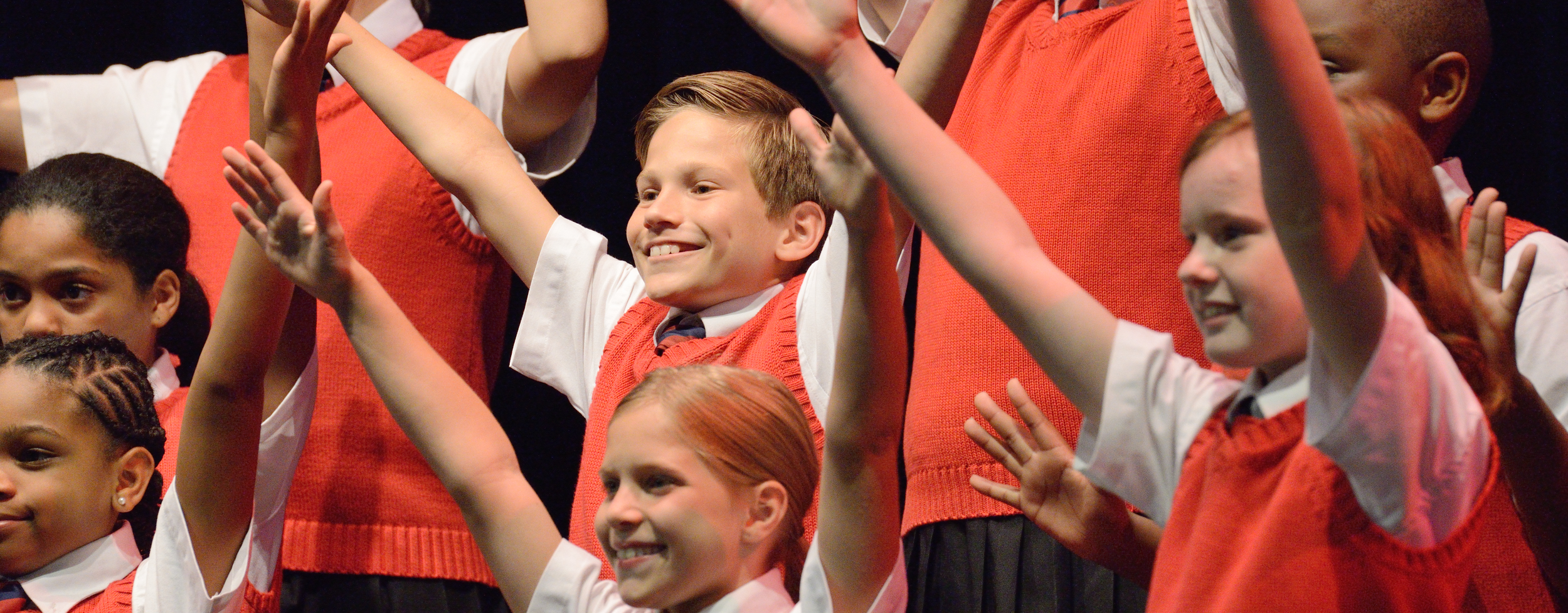
JACKSONVILLE CHILDREN’S CHORUS
Lift Every Voice and Sing
Text by James Weldon Johnson
Music by John Rosamond Johnson
Arranged by Roland Carter
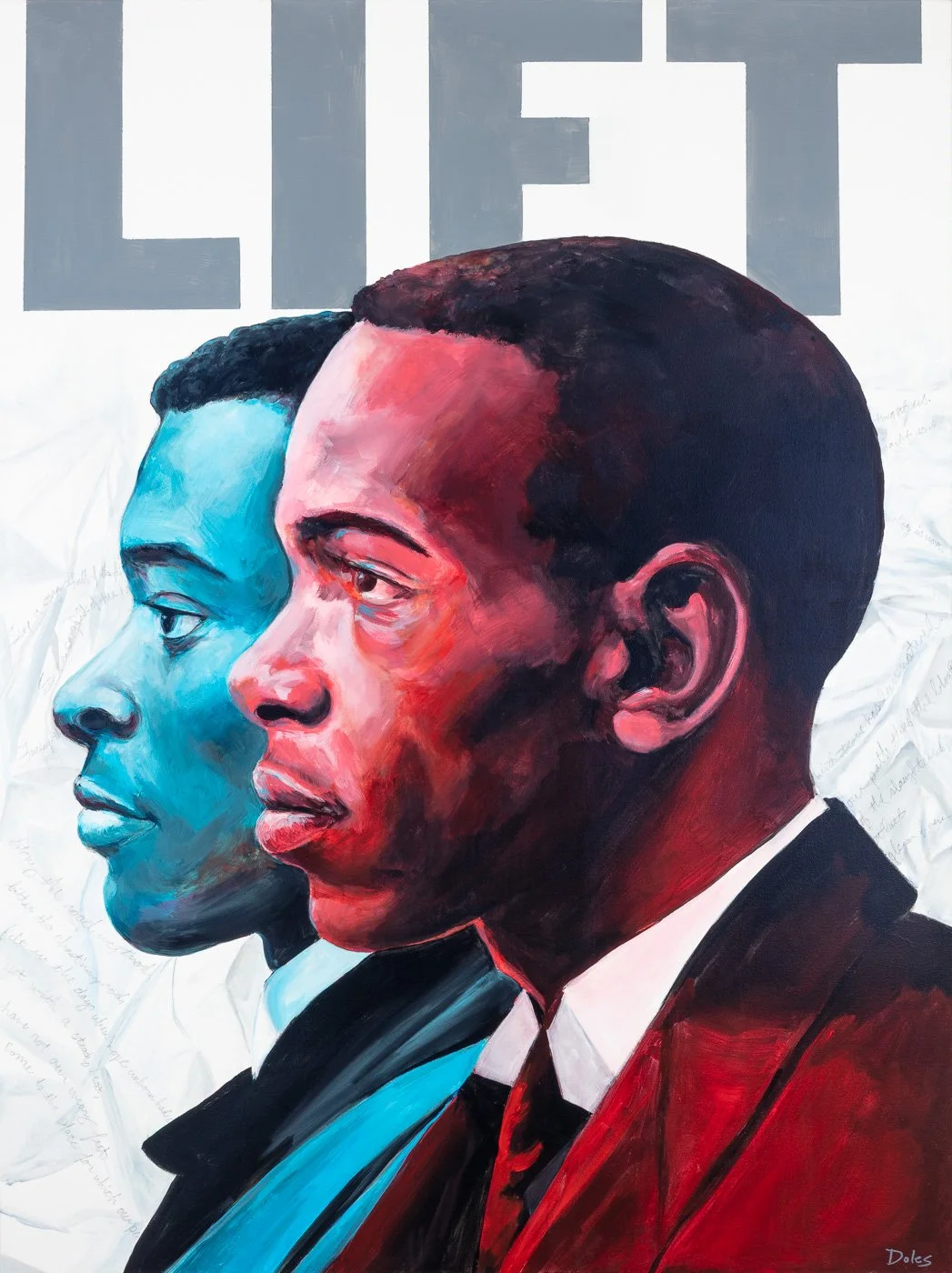
Written by brothers and Jacksonville natives James Weldon Johnson and John Rosamond Johnson in 1900, Lift Every Voice and Sing has served as a beacon of hope and resilience among American people for more than a century. James originally composed the poem in the late 1890s to be recited by students at Stetson High School– the first public school for African Americans in Florida–where he was the principal, in celebration of Abraham Lincoln’s birthday. At the time, the nation was deeply entrenched in the era of segregation and racial injustice. Johnson’s words reflected both struggles of African Americans and their perseverance. Shortly after the music was composed, the brothers moved to New York, but the song continued to be sung by schoolchildren in Jacksonville. As those students grew up and became teachers, they passed the song on to their students, allowing it to spread to communities across the country. In 1919, the NAACP (National Association for the Advancement of Colored People) recognized Lift Every Voice and Sing as the “Negro National Anthem,” twelve years before The Star-Spangled Banner was officially designated as the national anthem of the United States.
(From I Have a Dream)
Down By the Riverside
Hallelujah, Get On Board
The Rhythm of My Soul
John Jacobson and Rollo Dilworth
I Have a Dream is a musical for young performers written by John Jacobson, Rollo Dilworth, Moses Hogan, and Emily Crocker. The work celebrates hope, unity, and the enduring spirit of Martin Luther King Jr.
“Down by the Riverside” is an African-American spiritual that was sung by enslaved people in the South as a work song. Its roots date back to the pre-Civil War era, and the song was first recorded by Fisk University Jubilee Quartet in 1920. Because its iconic lyrics carry the message of nonviolence, the song was later used in anti-war protests during the Vietnam War.
Two traditional spirituals, The Gospel Train and I’m Gonna Sit at the Welcome Table are combined in the second song, “Hallelujah, Get on Board.” The train-like feeling in the piano part evokes the movement and excitement of a train, symbolizing both the literal and spiritual journey toward freedom and salvation.
“The Rhythm of My Soul,” an original composition by Jacobson and Dilworth, expresses hope and unity. The song blends vibrant rhythms and lyrical melodies to reflect the heartbeat of community, inspiring determination in the ongoing journey toward freedom.
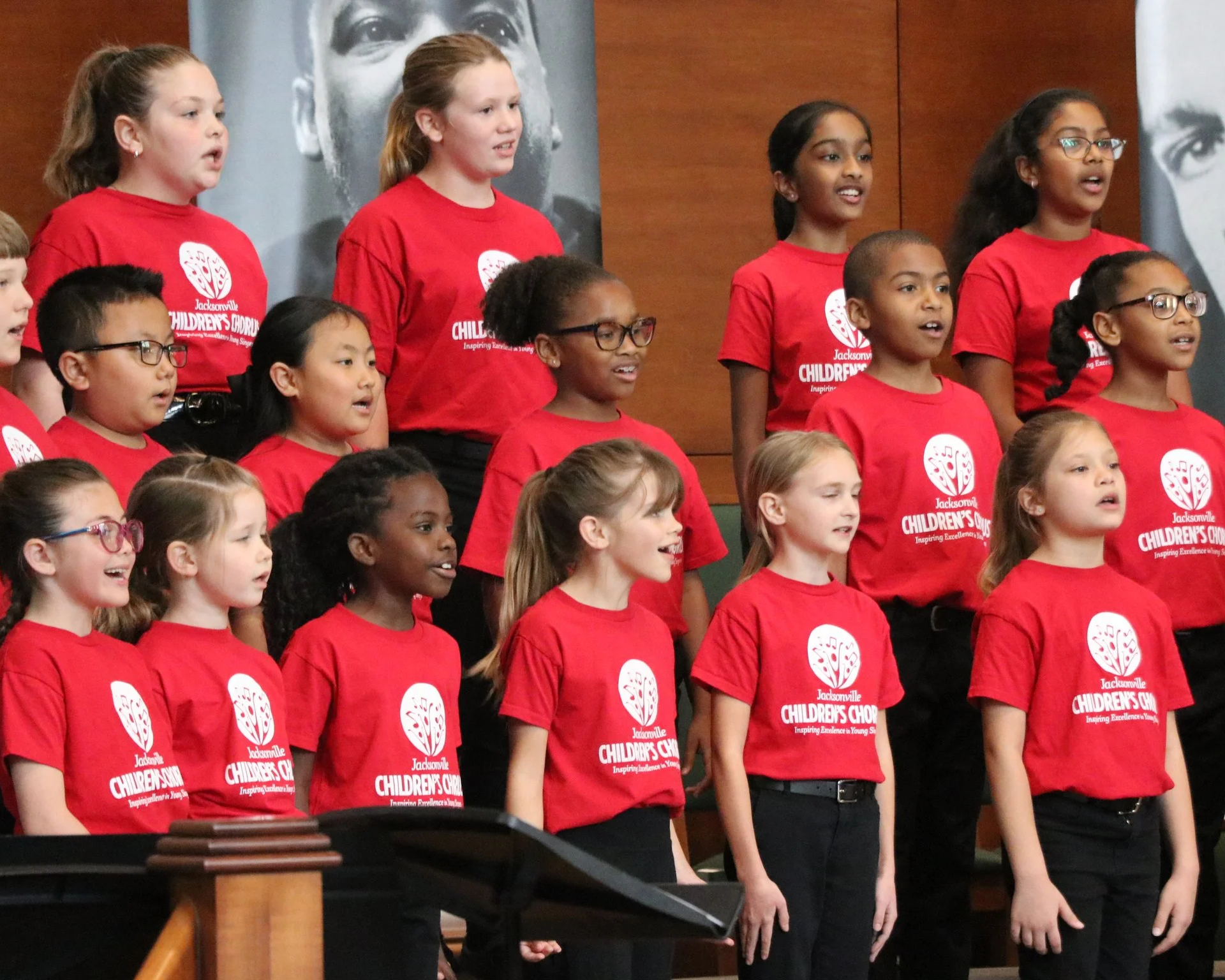
It’s a Republic (if you can keep it)
Text adopted/Music by Kelye Pederson
It’s a Republic is a bold and thought-provoking choral work that reflects on the ideals and responsibilities at the heart of democratic society. Drawing on historical statements by Abraham Lincoln, Theodore Roosevelt, and Benjamin Franklin, the song challenges us to consider what it truly means to live in a republic–one built not only on laws and structures, but on real humans, whose actions give democracy its meaning. Integrating the words of these three visionaries, the song invites us to re-dedicate ourselves to the best our country has always represented.
(From The Trilogy of Dreams)
1. The Dream Keeper
2. Dreams
3. I Dream a World
Text by Langston Hughes
Music by Rollo Dilworth
The Trilogy of Dreams was commissioned by Darren Dailey during his tenure as the Artistic Director of Boston Children’s Chorus and dedicated to the city of Boston in celebration of its 375th anniversary. Featuring texts by African-American poet, Langston Hughles (1901-1967), composer Rollo Dilworth created three songs as a unified cycle, connecting them through shared words, musical style, and thematic material.
Hughes was a leading figure of the Harlem Renaissance and played a central role in the development of what became known as jazz poetry. In this style, he employed syncopation, flexible structures, refrains, and other elements that reflect the rhythms and improvisatory nature of jazz and blues music.
“The Dream Keeper” centers on a fictional character who protects dreams of those willing to hand over their deepest passions and heart-felt desires to him. The movement opens with a call to the Dream Keeper, to which he responds. Throughout the movement, the music floats in a blues mode, creating a sense of suspension between dream and reality.
The second movement, “Dreams,” reflects Hughes’ perspective on hope as an African American. One of the central themes of his work was the pursuit of the American Dream, and his poetry influenced Martin Luther King Jr.’s famous speech. Rather than presenting purely hopeful visions, Hughes often portrayed the hardships faced by African Americans. Through the text of “Dreams,” he reminds us never to let go of our dreams, even in the midst of the most difficult circumstances.
The final movement “I Dream a World” transports us to an ideal future in which all people are equal and society exists in harmony. In contrast to many of Hughes’ works that depict everyday struggle, this poem is uplifting and filled with hope and joy. The music mirrors the optimism through its stable major mode and energetic accompaniment.
Joy of My Salvation
A. Jeffrey LaValley
Arranged by M. Roger Holland II
Composer A. Jeffrey LaValley was born in Milwaukee, WI in 1953. Although he played piano from an early age, his formal musical studies did not begin until 1986, after he had earned degrees in journalism from Pennsylvania State University and Marquette University. LaValley became known in the field of gospel music as both a composer and producer. He served as musician and director at the New Jerusalem Full Gospel Baptist Church in Flint, MI, for over 40 years. Joy of My Salvation is an exuberant expression of faith and gratitude, celebrating the joy found in spiritual redemption.
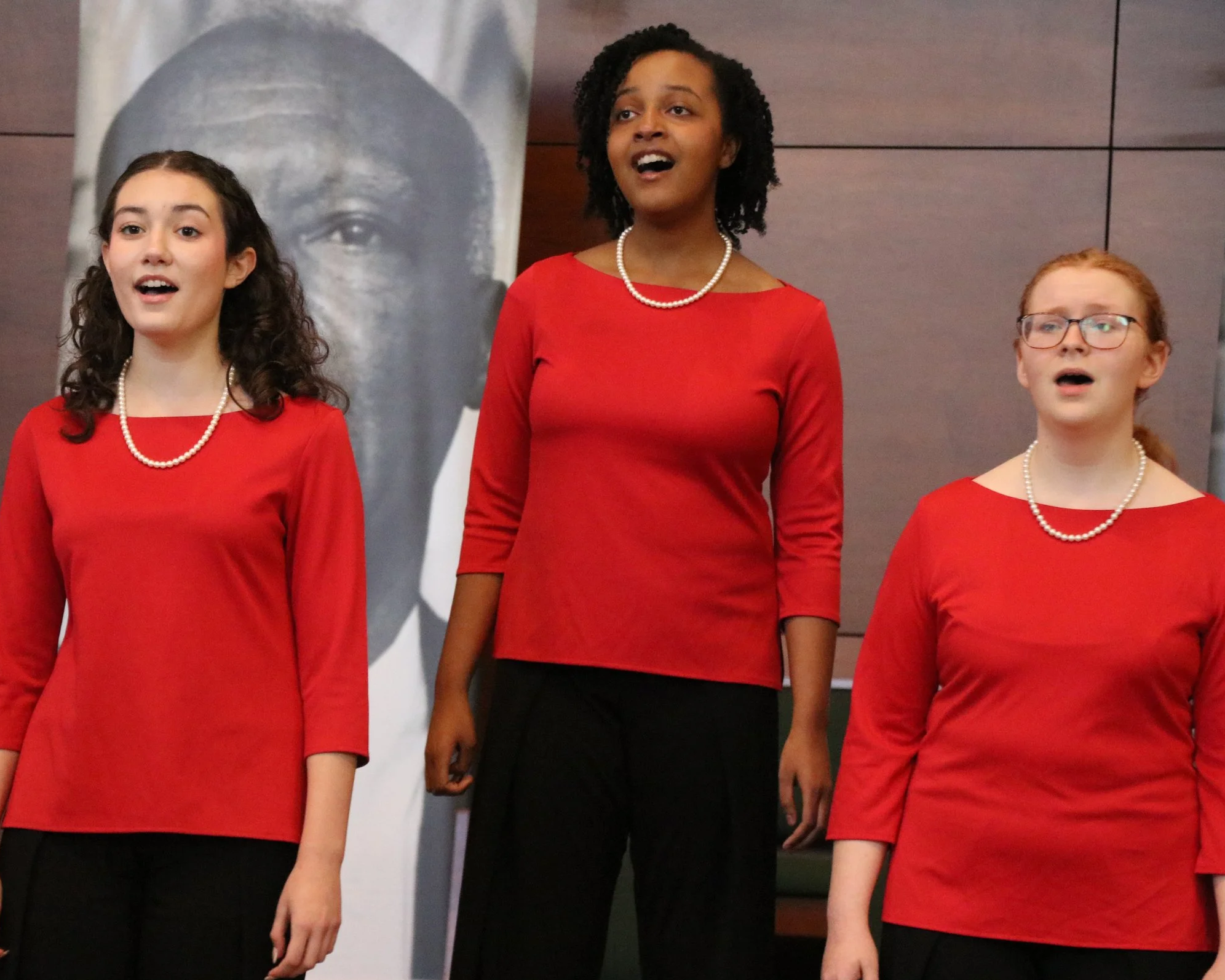
Echoes of Freedom
Text by Darren Dailey
Music by Rollo Dilworth
With text by Darren Dailey and music by Rollo Dilworth, Echoes of Freedom was composed and published in 2025. The song invites reflection on the spirit of the United States as it marks the 250th anniversary of the Declaration of Independence. It reminds us that freedom is not something simply given, but something that must be continuously sustained through effort and commitment. Like a symphony, the diverse voices, efforts, and perspectives of the people come together to shape a nation that is stronger and more meaningful than any single contribution alone.
Crowded Table
Words and Music by Natalie Hemby, Lori McKenna, Vrandi Carlile
Arranged by Andrea Ramsey
This song was co-written by members of The Highwomen–the American country supergroup–along with acclaimed songwriter Lori McKenna. It imagines a home with a crowded table, a place where everyone is welcome and belongs, even when “everyone’s a little broken.” With its message of inclusion and equity, the song resonated widely with audiences and earned the Grammy Award for the Best Country Song in 2021.
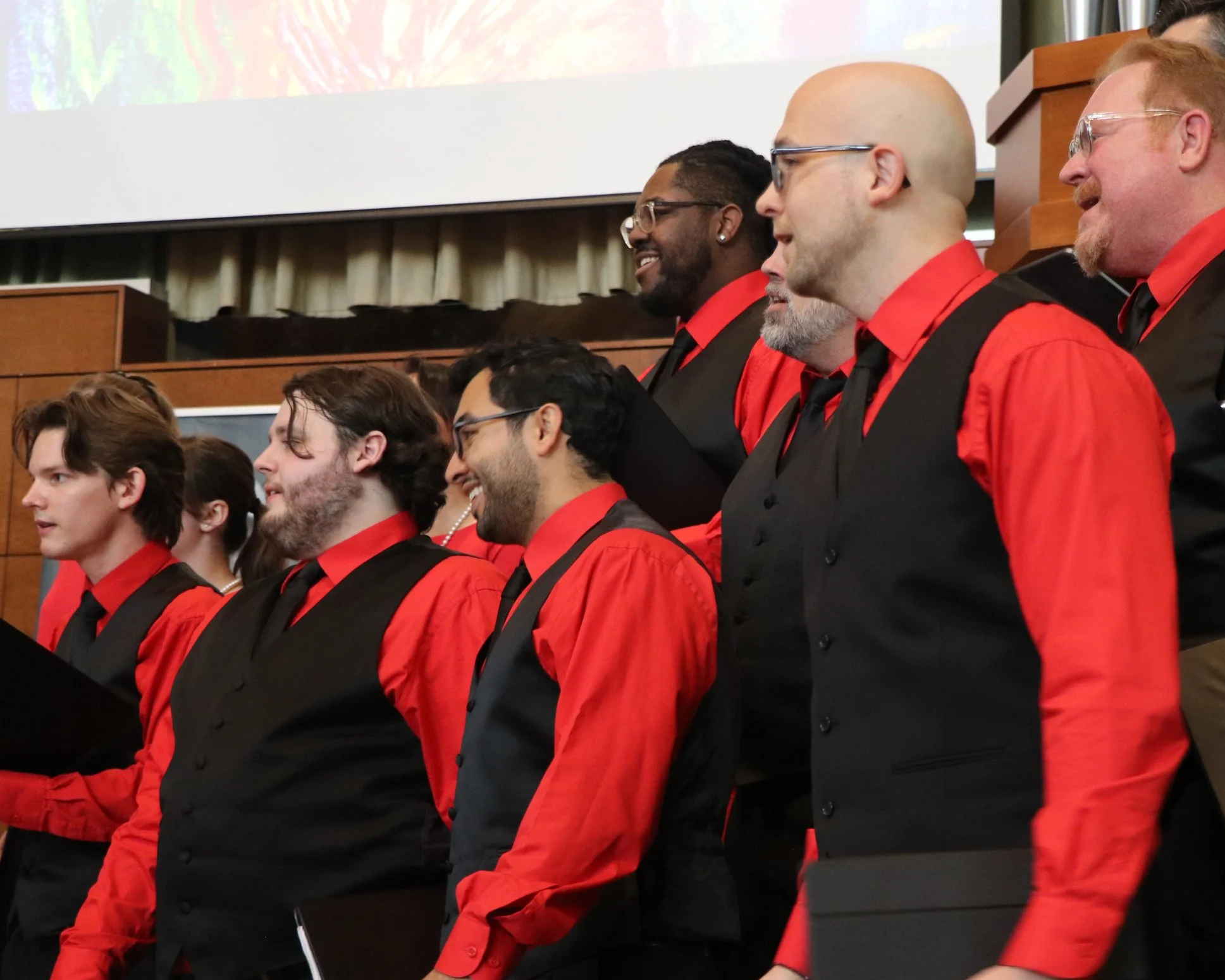
United in Purpose
Text by Maya Angelou
Music by Rollo Dilworth
Internationally renowned poet, essayist, lyricist and civil rights activist Dr. Maya Angelou (1928-2014) was born in St. Louis, Missouri. The text for this particular piece is from Dr. Angelou’s book, Rainbow in the Cloud. Unites in Purpose. This song is a rhythmic, contemporary, gospel-style anthem with words that challenge all of us to take responsibility for making our communities safe, supportive, and just. Dr. Angelou encourages all of us–no matter your background or lived experiences–to collaborate in ways that will bring about positive change in our world.
(Adopted from the composers’ notes)
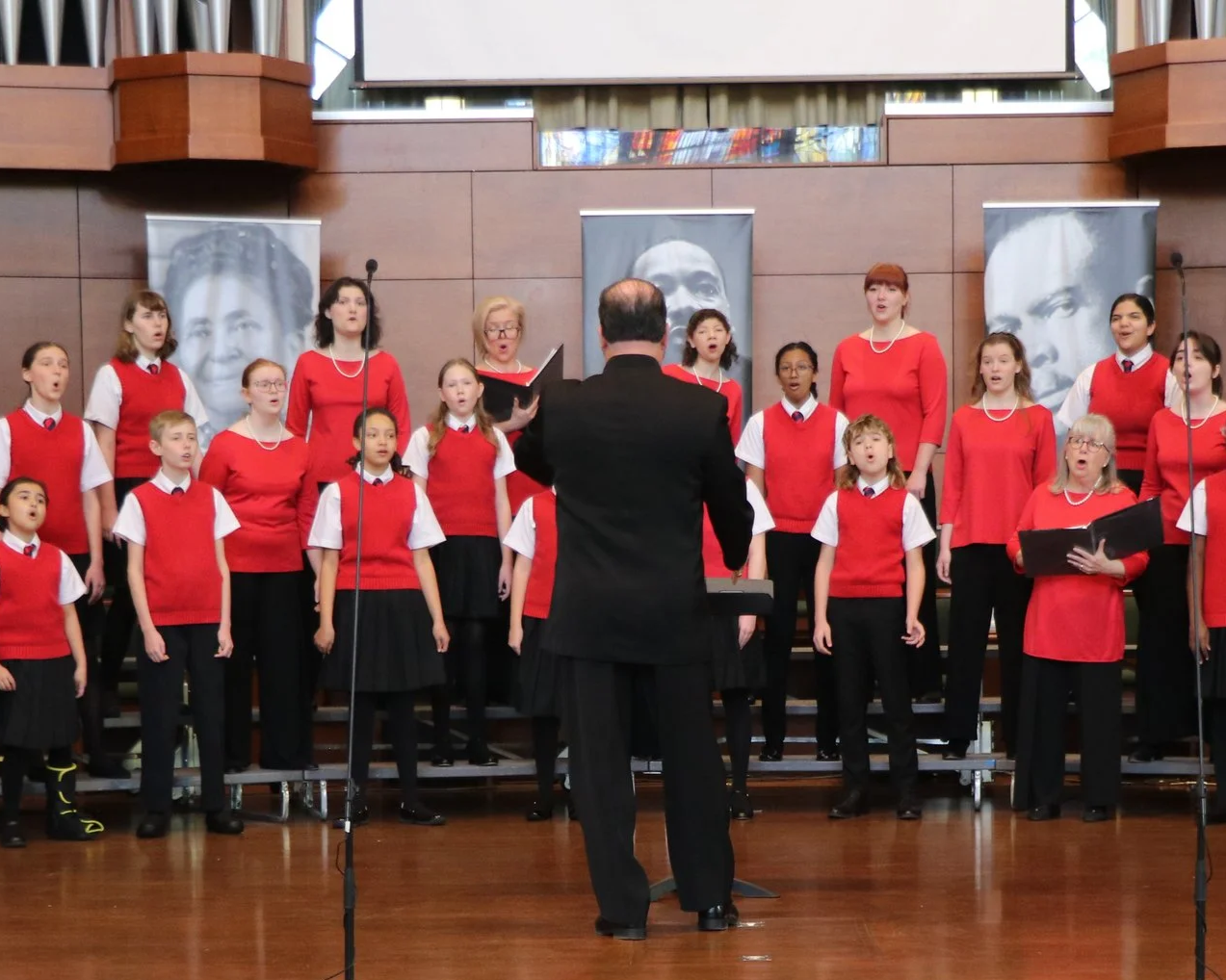
The Journey of Hope
Jim Papoulis
Commissioned by the Jacksonville Children’s Chorus, The Journey of Hope is an uplifting and reflective choral work that explores the resilience of the human spirit. Through expressive words and evocative rhythms, the piece takes us to an emotional journey–from uncertainty to courage, perseverance, and hope. In today’s world, marked by challenges such as conflict, social injustice, and personal hardships, this song reminds us of the enduring power of hope and the capacity for renewal.
Program notes contributed by Dr. Yukino Miyake, Principal Accompanist & Instructor of the JCC.